Digital identity between control and trust
Digital identities are at the heart of numerous public and economic processes. Whether opening an account, concluding a contract or interacting with public authorities, proof of identity is the key to the digital world. However, traditional, centrally managed models are increasingly reaching their limits, particularly when it comes to data protection, portability, and user autonomy.
Self-Sovereign Identity (SSI) offers an alternative approach: a decentralized identity model that gives users more control over their data – while creating trust through technical and legal standards. With the reform of the eIDAS Regulation (eIDAS 2.0), Europe is taking a leading role in shaping such identity ecosystems.
What distinguishes self-sovereign identity
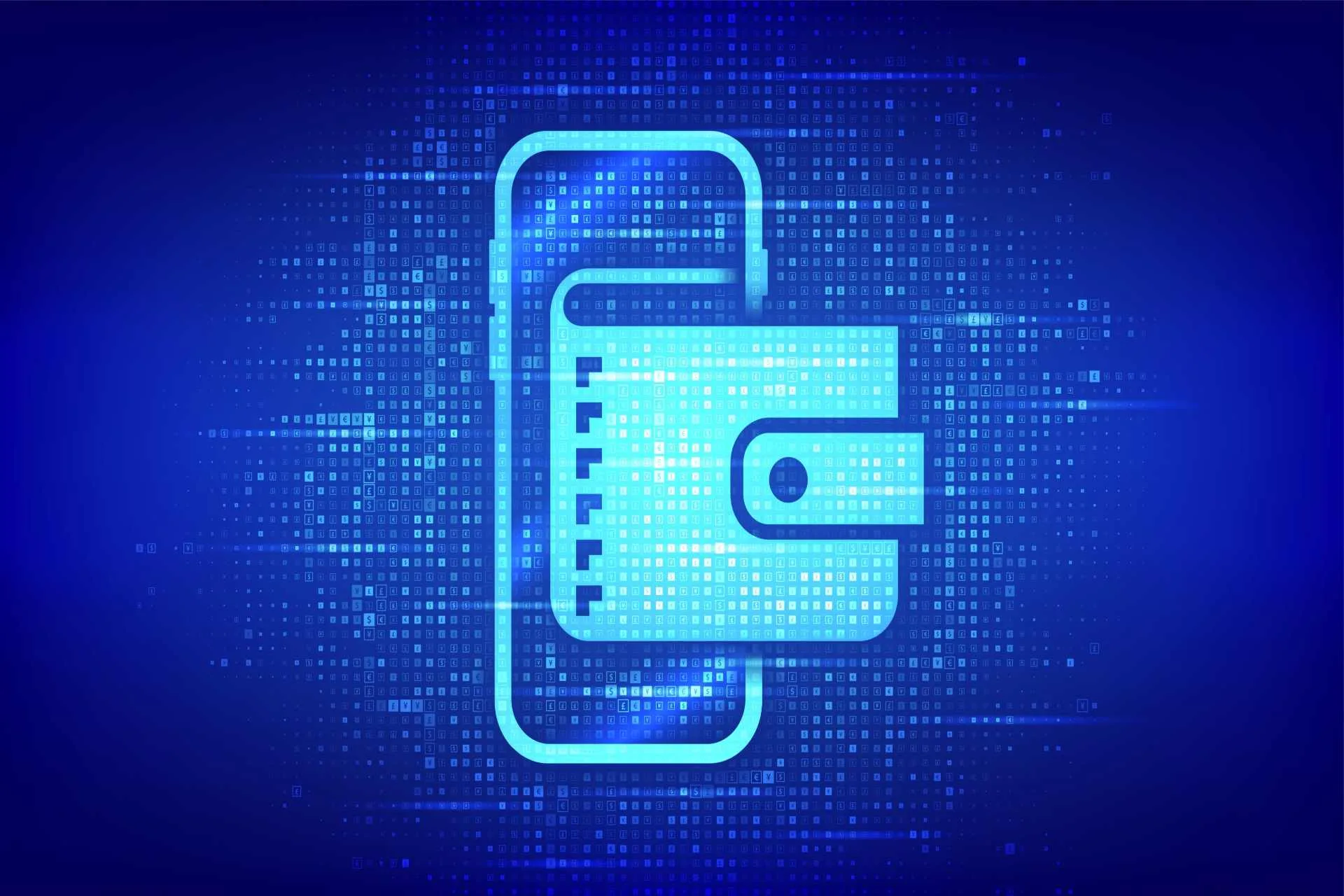
At the heart of SSI is the idea that digital identities are not “managed” by central authorities or platforms but are controlled by the individuals or organizations themselves. Technically, this is made possible by verifiable credentials (VCs) and decentralized identifiers (DIDs). The information is not stored in a central database, but in wallets that are managed on users’ devices or in secure environments.
The transparency of these technologies goes hand in hand with a high level of data protection: only the absolutely necessary information is disclosed – with full traceability and verifiability for recipients.
The regulatory framework: eIDAS 2.0
With eIDAS 2.0, the European Union is creating the world’s first binding framework for SSI at the supranational level. At its core is the introduction of the EU Digital Identity Wallet, which both natural and legal persons can use for digital identity and attribute verification.
These wallets are to be interoperable, secure and voluntary to use – but based on mandatory technical standards. The legislator envisages qualified trust service providers (QTSPs) as key players, particularly in the issuance and verification of credentials. They guarantee the legal validity of attribute proofs, digital seals or signatures and ensure connectivity to existing eID and KYC infrastructures.
Self-sovereign identity for businesses: the European Business Wallet
In addition to the EU Digital Identity Wallet for citizens, eIDAS 2.0 also provides the targeted promotion of organization-related identity proofs. The European Business Wallet (EUBW) is intended to enable companies to keep digital records of legal representation, license status, registration, or other business-relevant attributes.
This initiative is already being tested in European pilot projects. Participating stakeholders – including several QTSPs and business partners – are working to integrate procedures for issuing, verifying and managing such credentials into digital processes. The focus is particularly on use in B2B or B2G scenarios (e.g. in tenders, supply chains, or tax returns).
Technological maturity and market proximity
International conferences such as the Identity Week Europe 2025 clearly showed that SSI is no longer a purely theoretical concept. The combination of technologically mature wallet platforms, practical identity proofing and a regulatory trust infrastructure opens up concrete added value – for example, through accelerated onboarding processes, efficient verification and automated compliance checks.
Trust service providers specializing in qualified signatures, electronic seals, or identity verification are increasingly integrating SSI into existing product lines. Initial implementations combine classic eID procedures with the issuance of verifiable evidence – e.g. for professional qualifications, corporate roles or contractual mandates.
Conclusion: A European path to self-determined identity
Self-sovereign identity represents a paradigm shift in digital identity management. Europe is consistently pursuing this path – with a regulatory framework that brings together data protection, interoperability and trust.
QTSPs play an important role in this ecosystem: not as a controlling authority, but as a bridge between technology and legal certainty. Their technical infrastructure, regulatory accreditation, and experience with trustworthy credentials make them a central component of the new, self-determined identity architecture.
The success of SSI in Europe depends not only on technology, but also on whether trust is institutionally and legally anchored.