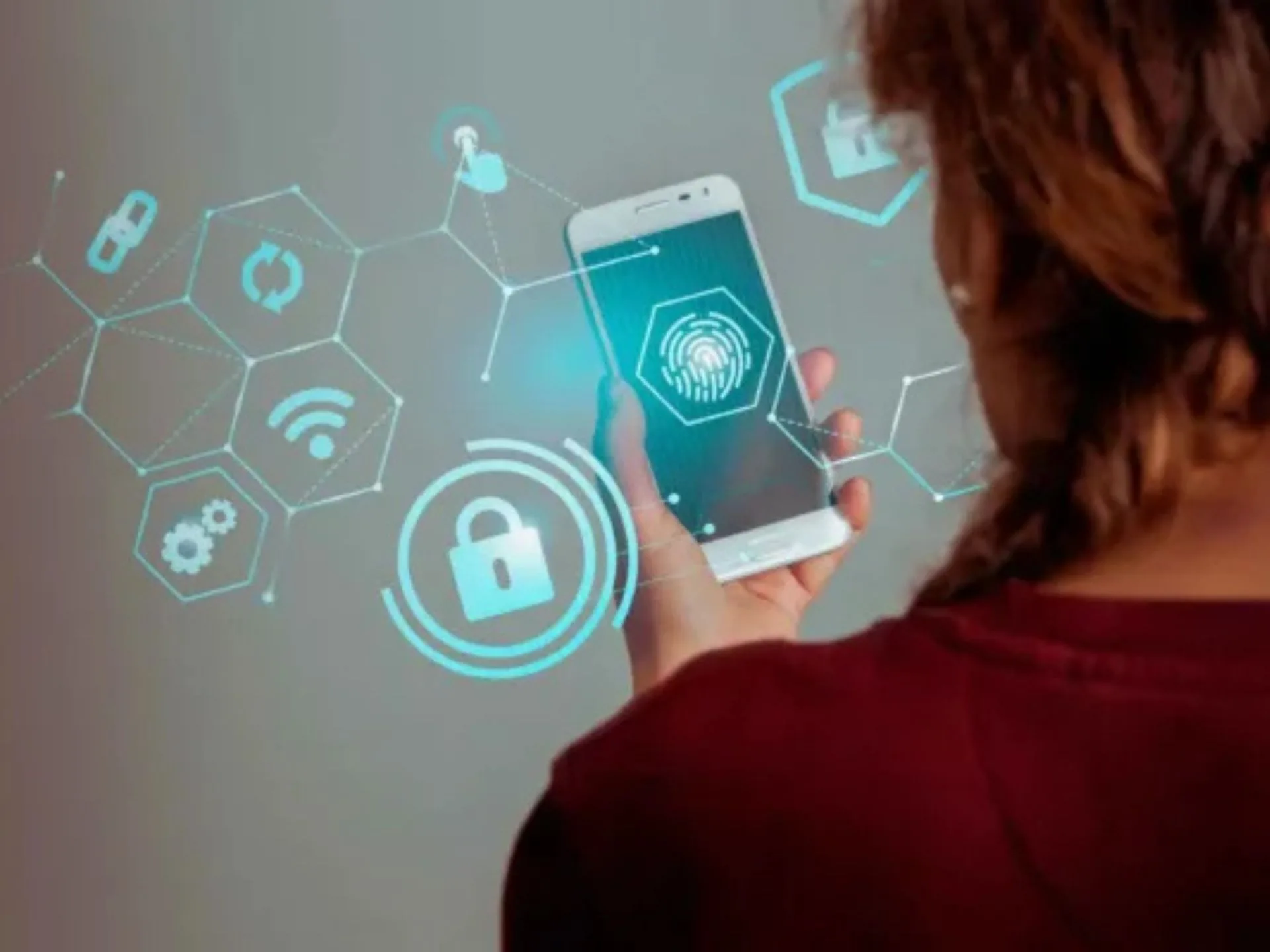
With increasing cyber threats worldwide, biometric technologies have established themselves as cutting-edge solutions to strengthen digital security. Biometric authentication systems analyse the unique physical and behavioural characteristics of users, offering superior protection compared to traditional passwords or PINs.
Biometric data; whether morphological like fingerprints and facial recognition, or behavioural like typing dynamics; enable precise and reliable identification of individuals. This technology significantly reduces the risks of identity theft, particularly when combined with liveness detection, which verifies the actual physical presence of the user at the time of authentication.
At Namirial, we have integrated advanced biometric technologies into our electronic signature and identity verification (KYC) solutions, ensuring robust authentication while complying with eIDAS and GDPR data protection regulations.
Definition and Basic Principles of Biometric Data
The scientific measurement of unique biological characteristics forms the foundation of modern biometric technologies. These physical and behavioural markers adhere to three essential principles: uniqueness (no two people share identical biometric patterns), permanence over time (characteristics remain stable throughout a person’s life), and precise measurability (characteristics can be quantified and compared algorithmically).
Biometric authentication relies on the analysis of facial traits, vein patterns, voice, or even the dynamics of handwriting. These features provide a higher security level than traditional passwords precisely because they cannot be forgotten, shared, or stolen in the same way as knowledge-based credentials.
Types of Biometric Characteristics
Biometric characteristics are divided into two main categories: morphological and behavioural.
Morphological biometrics are based on physical characteristics of the body:
- Fingerprint recognition — the oldest and most widely deployed biometric method, using the unique pattern of ridges and valleys on fingertips
- Facial recognition — analyses the geometry of the face, measuring distances between key landmarks
- Iris recognition — highly accurate, using the unique patterns in the coloured ring of the eye
- Palm vein recognition — analyses the pattern of veins under the skin of the palm, especially reliable even among identical twins
- Voice recognition — analyses the acoustic characteristics of speech
Behavioural biometrics analyse patterns in how a person acts rather than how they look:
- Handwritten signature dynamics — captures not just the shape of the signature but the pressure, speed, acceleration, and stroke order
- Typing dynamics — analyses the rhythm and pattern of keystrokes
- Gait analysis — identifies individuals by the way they walk
Each biometric type adheres to strict criteria of uniqueness and permanence. Current systems also adapt to natural variations such as voice changes due to ageing or temporary modifications caused by illness or injury, ensuring reliable long-term identification without compromising security.
How Biometric Authentication Works
A biometric authentication system operates in two phases:
Enrolment — the user’s biometric characteristics are captured and processed into a mathematical template. This template is stored (never the raw biometric image itself, for privacy reasons) and used as the reference for future comparisons.
Verification or identification — when the user authenticates, their biometric data is captured again and compared to the stored template. If the match exceeds a defined threshold, authentication succeeds.
The key metrics are the False Acceptance Rate (FAR — an impostor is incorrectly authenticated) and False Rejection Rate (FRR — a legitimate user is incorrectly rejected). Modern systems achieve very low FAR values, making biometric authentication extremely resistant to fraud.
Liveness Detection: Defending Against Spoofing
A critical component of any serious biometric system is liveness detection — the ability to determine whether the biometric sample comes from a live person or a spoofing artefact (a photograph, video replay, 3D model, or synthetic deepfake).
Passive liveness detection works invisibly: the system analyses natural physiological variations — micro-movements, skin texture at depth, subtle changes in lighting reflection — without requiring any action from the user. This provides a frictionless user experience while blocking fraud attempts.
Active liveness detection requires the user to perform a specific action (blink, turn their head, smile) to prove physical presence.
Namirial’s biometric identity verification analyses over 500 real-time control points and achieves a fraud detection rate exceeding 99.9%, protecting against morphing attacks, deepfake videos, and printed photograph attacks.
Biometrics in Electronic Signatures
One of the most commercially significant applications of biometrics is the biometric electronic signature — an Advanced Electronic Signature under eIDAS that captures behavioural biometric data during the signing act.
When a person signs on a tablet or touchscreen, the system captures:
- The trajectory of each stroke
- The speed and acceleration of pen or finger movement
- The pressure applied at each point
- The number of times the pen is lifted
- The angle of the strokes
This data creates a unique biometric profile of the signing act. Even if someone can copy the visual appearance of a signature, they cannot reproduce the unique dynamic pattern of the original signer. The biometric data is encrypted and embedded in the document, providing legally admissible evidence of the signer’s identity without requiring a digital certificate.
Biometrics in Remote Identity Verification (KYC)
Biometric facial recognition is central to remote KYC (Know Your Customer) processes, enabling organisations to verify the identity of customers without a face-to-face meeting:
- The customer takes a photo or selfie video
- The system compares the facial geometry to the photo on their identity document
- Liveness detection confirms the customer is physically present (not using a photo or video)
- The identity document is simultaneously analysed for authenticity markers
This process, when performed by a qualified trust service provider, satisfies the requirements for remote identity verification under eIDAS 2.0 and the EU Anti-Money Laundering directives (AMLD).
Data Protection and Privacy
Biometric data is classified as special category personal data under GDPR (Article 9), requiring explicit consent for collection and processing. Organisations using biometric authentication must:
- Obtain informed consent before collecting biometric data
- Store biometric templates securely, never in raw image form
- Define strict retention periods
- Implement technical measures to prevent unauthorised access or use
Namirial’s biometric solutions are designed from the ground up for GDPR compliance and eIDAS conformance, ensuring that organisations can deploy biometric authentication legally and securely.
Conclusion
Biometric technologies are fundamentally transforming digital security by replacing knowledge-based authentication (passwords, PINs) with something inherent to the person. The combination of morphological and behavioural biometrics, supported by advanced liveness detection, creates a fraud barrier that is orders of magnitude stronger than traditional methods.
Contact Namirial to explore how biometric authentication and identity verification can be integrated into your organisation’s security and digital onboarding processes.